
Why Pet Transport Is Different From Regular Ride-Hailing
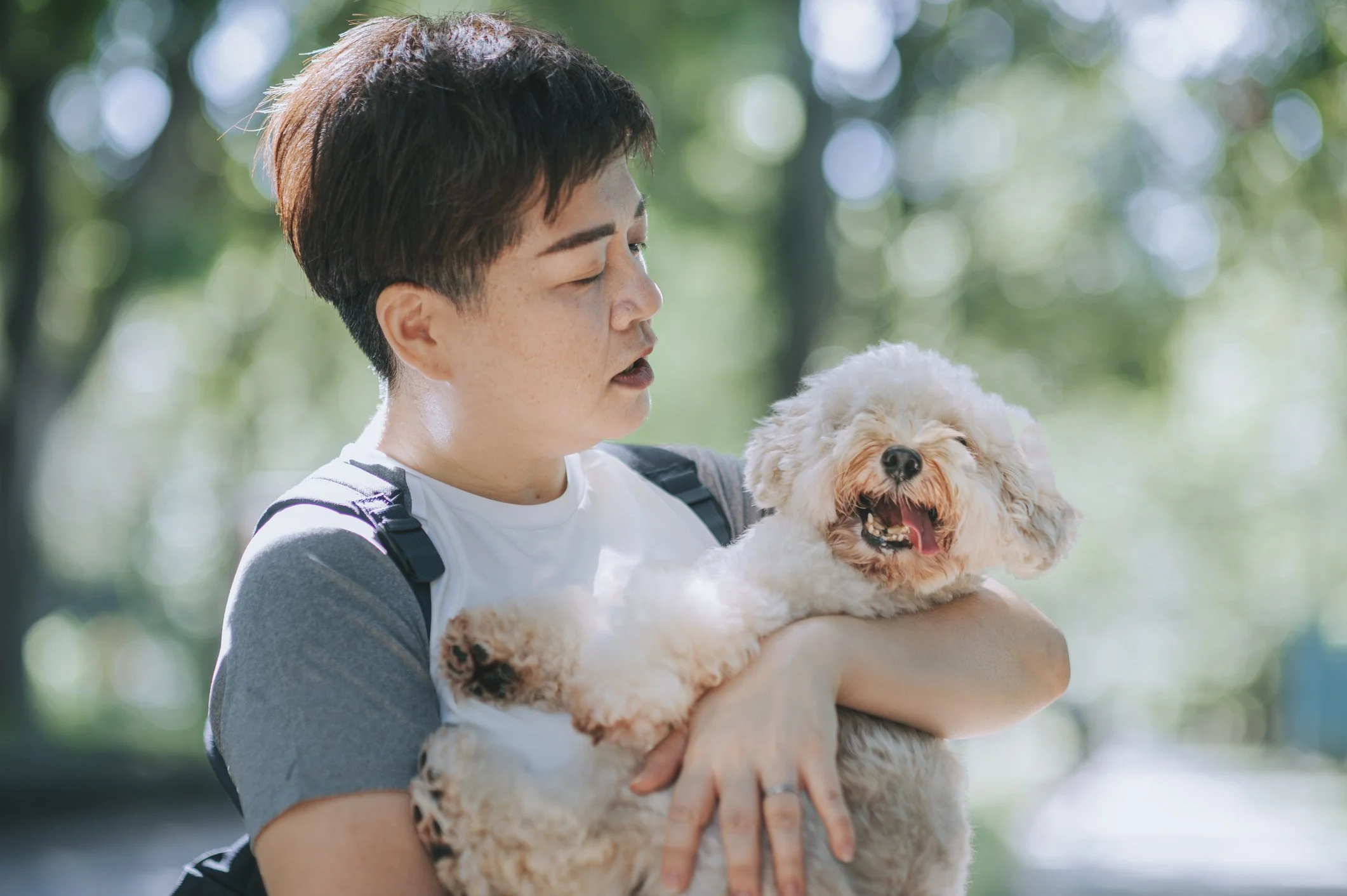
Getting from one place to another in Singapore has never been easier. Open an app, choose a destination and a car can arrive within minutes.
But add a pet to the journey, and things become a little different.
Pet transport isn't simply regular ride-hailing with a dog or cat in the back seat. Pets have different needs, vehicles have different capacities, and every journey can involve considerations that don't exist when transporting people alone.
Understanding these differences can help pet owners choose a safer, more comfortable and more suitable way to travel with their pets.
The passenger isn't always human
Most ride-hailing services are designed around one basic assumption: the person making the booking is also the passenger.
Pet transport doesn't always work that way.
Sometimes a pet travels together with its owner. At other times, a pet may need to travel alone - for example, between home and daycare, boarding facilities, grooming appointments or other destinations when its owner cannot accompany it.
That changes the journey. A pet travelling without its owner may require a proper handover, clear instructions and additional care throughout the trip.
Every pet has different transport needs
A cat travelling in a small carrier has very different requirements from a Golden Retriever, two dogs travelling together or a pet travelling with a large crate.
Size is only one consideration.
Pet temperament, number of pets, number of human passengers, carriers, luggage and the purpose of the journey can all affect what type of vehicle is appropriate.
For airport transfers, for example, a family may need enough room not only for themselves and their pet, but also for luggage and a travel crate.
This is why choosing the right vehicle is an important part of pet transport. Bonjour provides different vehicle options and guidance to help pet owners select what best suits their pet, passengers, luggage and journey - not simply whether a vehicle can take pets, but whether it has the right space for the trip.
Pet journeys can take more time
A conventional ride usually involves a passenger getting into the vehicle and leaving shortly after arrival.
Travelling with pets isn't always so straightforward.
A nervous dog may need a moment to settle. A carrier or crate needs to be loaded and positioned properly. Larger pets may take longer to enter and exit the vehicle. Pets travelling alone may also require time for handover at both ends of the journey.
And the journey doesn't necessarily end for the driver when the pet gets out. Depending on the trip, additional cleaning or preparation may be needed before the vehicle is ready for the next passenger.
This means a 20-minute pet journey can occupy considerably more than 20 minutes of a driver's working time.
That longer turnaround time, together with the additional care and vehicle requirements involved, is one reason dedicated pet transport can cost more than a comparable everyday ride-hailing trip.
A pet-friendly driver matters too
Accepting a booking with a pet and being comfortable transporting one are not necessarily the same thing.
Pets can be excited, anxious, vocal or simply unfamiliar with travelling in a vehicle. Drivers providing pet transport need to understand that an animal may behave differently during a journey and be comfortable sharing their vehicle with pets.
For pet owners, knowing that their driver has knowingly accepted a pet journey can also remove some of the uncertainty that sometimes comes with booking ordinary transport.
It's not simply about the distance travelled. It's about providing the time and conditions needed to transport pets properly.
The journey begins before the vehicle moves
For pet owners, a successful journey isn't measured only by how quickly the vehicle reaches its destination.
It begins with choosing an appropriate vehicle and preparing the pet for travel. It includes boarding, settling into the vehicle and travelling comfortably. And when a pet is travelling alone, it extends to the handover at the destination.
In other words, pet mobility needs to consider the pet, owner, journey, vehicle and driver together.
Building transport around pets
These differences are why we built Bonjour as a pet-first mobility platform, rather than simply another way to book a car that accepts pets.
Bonjour is designed around the realities of travelling with animals - from matching different journey requirements with suitable vehicles to supporting trips where pets travel with their owners or on their own.
Because when pets are part of the journey, transport should be designed with them in mind from the start.